



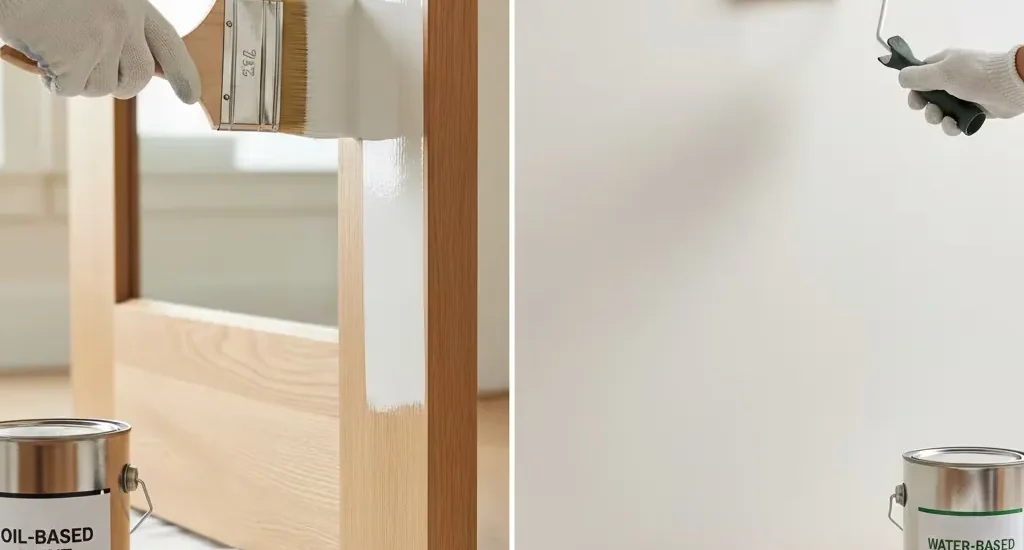
Oil-Based vs Water-Based Paint
Choosing the right paint is one of the most important decisions in any home improvement or renovation project. When comparing oil-based vs water-based paint, many homeowners struggle to decide which option delivers the best results. Both types have unique advantages, and the right choice depends on your specific needs, surface type, and desired finish. Understanding the differences between oil-based vs water-based paint will help you achieve a durable, attractive, and long-lasting result.
Key Differences Between Oil-Based vs Water-Based Paint
When analyzing oil-based vs water-based paint, it’s essential to understand how they perform in real-world conditions.
- Base Composition:
Oil-based paint uses natural or synthetic oils, while water-based paint uses water as the primary solvent. - Drying Time:
Oil-based paint dries slowly; however, water-based paint dries much faster. - Finish:
Oil-based paints provide a smooth, glossy finish. On the other hand, water-based paints offer a more matte or satin look. - Odor & VOCs:
Oil-based paints have strong odors and higher VOC levels. In contrast, water-based paints are low-odor and eco-friendly. - Cleanup:
Oil-based paint requires solvents like thinner, whereas water-based paint cleans easily with soap and water.
Advantages of Oil-Based Paint
Oil-based paint remains a popular choice for certain applications because of its durability and finish.
- Highly Durable:
It withstands wear and tear, making it ideal for high-traffic areas. - Smooth Finish:
It provides a rich and glossy appearance, perfect for trims and furniture. - Moisture Resistance:
It performs well in humid environments.
However, it takes longer to dry and emits strong fumes, so proper ventilation is necessary.
Benefits of Water-Based Paint
Water-based paint has become the preferred option for modern homes due to its convenience and safety.
- Quick Drying:
It dries within hours, allowing faster project completion. - Low Odor:
It is more comfortable to use indoors. - Eco-Friendly:
It contains fewer harmful chemicals. - Flexible Finish:
It resists cracking and fading over time.
In addition, water-based paint is easier to apply and maintain, making it ideal for DIY projects.
Oil-Based vs Water-Based Paint: Which is Better?
The answer depends on your specific needs. When comparing oil-based vs water-based paint, consider the following:
- Choose oil-based paint if you need durability, a glossy finish, and strong protection for surfaces like doors, cabinets, and trims.
- Choose water-based paint if you want quick drying, easy application, and a safer, eco-friendly option for walls and ceilings.
Overall, water-based paint is better for most interior applications. However, oil-based paint still performs better in areas that require extra strength and a premium finish.
Where to Use Each Type of Paint
Understanding where each paint works best will help you make the right decision.
Oil-Based Paint is Best For:
- Doors and trims
- Cabinets and furniture
- Metal surfaces
Water-Based Paint is Best For:
- Interior walls and ceilings
- Exterior walls
- Large surface areas
Tips for Choosing the Right Paint
To get the best results when deciding between oil-based vs water-based paint, follow these tips:
- Always consider the surface type before selecting paint
- Check the drying time based on your project schedule
- Ensure proper ventilation, especially with oil-based paint
- Choose low-VOC options for healthier indoor air
- Test a small area before full application
Conclusion
When it comes to oil-based vs water-based paint, there is no one-size-fits-all answer. Each type offers distinct benefits, and the best choice depends on your project requirements. Water-based paint is ideal for most home applications due to its ease of use and eco-friendliness. Meanwhile, oil-based paint remains a strong option for surfaces that require durability and a polished finish. By understanding their differences, you can confidently choose the right paint and achieve a professional, long-lasting result.
